
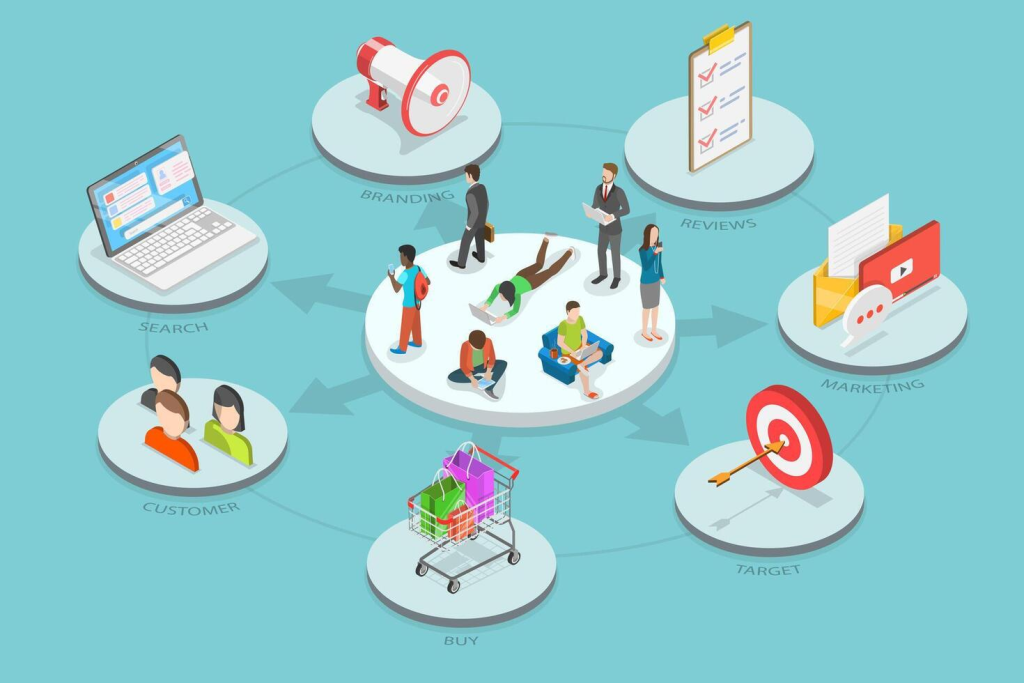
Customer journey mapping is a practical way for businesses to understand how people interact with their brand from the first contact to long-term loyalty. By using journey mapping, companies can clearly see what customers experience when they visit a website, speak with support teams, browse products, and eventually make a purchase. This process helps customer support teams focus on real customer needs instead of dealing with problems caused by poor communication or confusing processes.
A customer journey map is a visual outline that shows every step a buyer takes while interacting with a company. The journey often begins with the first contact between the customer and the business. This may happen through a website visit, a social media post, an advertisement, or a recommendation from someone else. The journey continues as the customer learns about the product, compares options, asks questions, and finally decides to buy.
However, the journey does not end after the purchase. Many companies make the mistake of thinking that the sale is the finish line. In reality, the experience after the purchase is just as important. Customers may need help using the product, want to leave reviews, or contact support if they have questions. All these steps are part of the journey and help shape how customers feel about the brand.
Customer journey maps are often presented in a simple visual format such as charts, diagrams, or infographics. These visuals make it easier for managers, marketers, and support teams to understand how customers move through the sales process. When everyone in the organization can clearly see the customer’s experience, it becomes easier to improve services and create a better buying experience.
Why Customer Journey Mapping Matters
Customer journey mapping places the customer at the center of business decisions. Both business-to-consumer (B2C) and business-to-business (B2B) companies depend on satisfied customers to grow and succeed. When businesses understand how customers think and behave, they can design better products, improve communication, and build stronger relationships.
Journey maps also allow managers to observe how potential buyers move through the sales funnel. They can see where customers become interested, where they hesitate, and where they may leave before making a purchase. This view helps businesses identify weak points in the buying process.
For example, a company might discover that many customers leave their website before completing a purchase because the checkout process is too complicated. Another company may notice that customers contact support repeatedly because product instructions are not clear. By spotting these issues through journey mapping, businesses can take steps to fix them.
Improving the Customer Experience
Another benefit of customer journey mapping is the ability to improve the overall customer experience. When businesses know how customers interact with their brand, they can create smoother and more helpful experiences at every stage.
This includes improving website design, making customer service more responsive, and ensuring that communication across channels such as email, social media, and mobile platforms feels consistent. In today’s digital environment, customers interact with companies in many different ways, and journey mapping helps businesses adapt to these changing behaviors.
By focusing on customer needs, companies can build trust and encourage repeat purchases. Happy customers are also more likely to recommend a brand to others, which helps businesses attract new buyers.
How to Create an Effective Customer Journey Map
Creating a useful customer journey map requires careful planning and collaboration. The goal is not just to draw a diagram but to build a clear picture of how customers experience your business. This process helps organizations discover opportunities, solve problems, and deliver better service.
Below are several steps that can guide companies when building a customer journey map.
Start With Customer Research
Research is the foundation of any successful journey map. Businesses need accurate information about their customers before they can understand the buying process. Many companies already have valuable data stored in their systems, such as customer profiles, purchase history, and support records.
Website analytics can show how visitors move through pages, how long they stay, and where they leave. Social media platforms can also provide insights into what customers talk about, what they like, and what concerns they share.
By combining these sources of information, companies can build a clearer picture of customer behavior. Understanding customer preferences helps businesses create experiences that truly meet customer needs.
There is a simple idea behind this effort: when companies focus on customer value, they also increase business value. The better a company understands its customers, the easier it becomes to deliver products and services that people want.
Gather Insights From Your Team
Employees who interact with customers every day have valuable knowledge that should not be ignored. Customer support agents, sales representatives, and marketing teams often notice patterns in customer behavior that may not appear in raw data.
For example, support teams may notice common questions that customers ask before making a purchase. Sales teams may understand what concerns customers usually have before they decide to buy. These insights help fill important gaps in the journey map.
Collecting feedback from employees who manage different touchpoints allows businesses to build a more complete view of the customer experience.
Speak Directly With Customers
While internal feedback is important, direct input from customers is even more valuable. Businesses should create opportunities for customers to share their opinions and experiences.
This can be done through surveys, feedback forms, interviews, or follow-up calls after a purchase. Asking customers about their experiences helps companies understand what works well and what needs improvement.
Many organizations miss this opportunity because they do not actively ask for feedback. Without the customer’s voice, the journey map may miss important details. Listening to customers provides an outside perspective that helps make the journey map more accurate and useful.
Define the Purpose of Your Journey Map
Before creating the map, businesses should clearly define what they want to achieve. Journey mapping can support many goals, such as improving customer service, refining marketing strategies, or identifying problems in the sales process.
Common goals for journey mapping include:
- Understanding the complete customer experience from start to finish
- Identifying key touchpoints where customers interact with the business
- Improving marketing strategies by focusing on customer needs
- Finding weaknesses in customer relationship management systems
- Gathering insights for developing new products or services
When companies clearly define their goals, the journey map becomes more focused and easier to use.
Create, Share, and Take Action
After collecting data and insights, the next step is to create the journey map. The map should be simple, clear, and easy to understand. It should highlight both positive experiences and areas where customers face challenges.
Visual elements such as timelines, charts, and diagrams can make the map easier to read. These visuals help teams quickly see where improvements are needed.
Once the map is complete, it should be shared across the organization. Managers, marketing teams, product developers, and support staff can all benefit from understanding the customer journey.
Most importantly, the information gathered from the journey map should lead to action. Businesses should use the insights to improve processes, fix weak points, and strengthen the overall customer experience.
Conclusion
Customer journey mapping is a powerful tool that helps businesses understand how customers interact with their brand at every stage of the buying process. By studying these interactions, companies can identify opportunities to improve services, solve customer problems, and build stronger relationships.
Through research, employee insights, customer feedback, and clear goals, organizations can create journey maps that guide better decision-making. When businesses use these maps to take real action, they can deliver smoother experiences, increase customer satisfaction, and support long-term growth.