
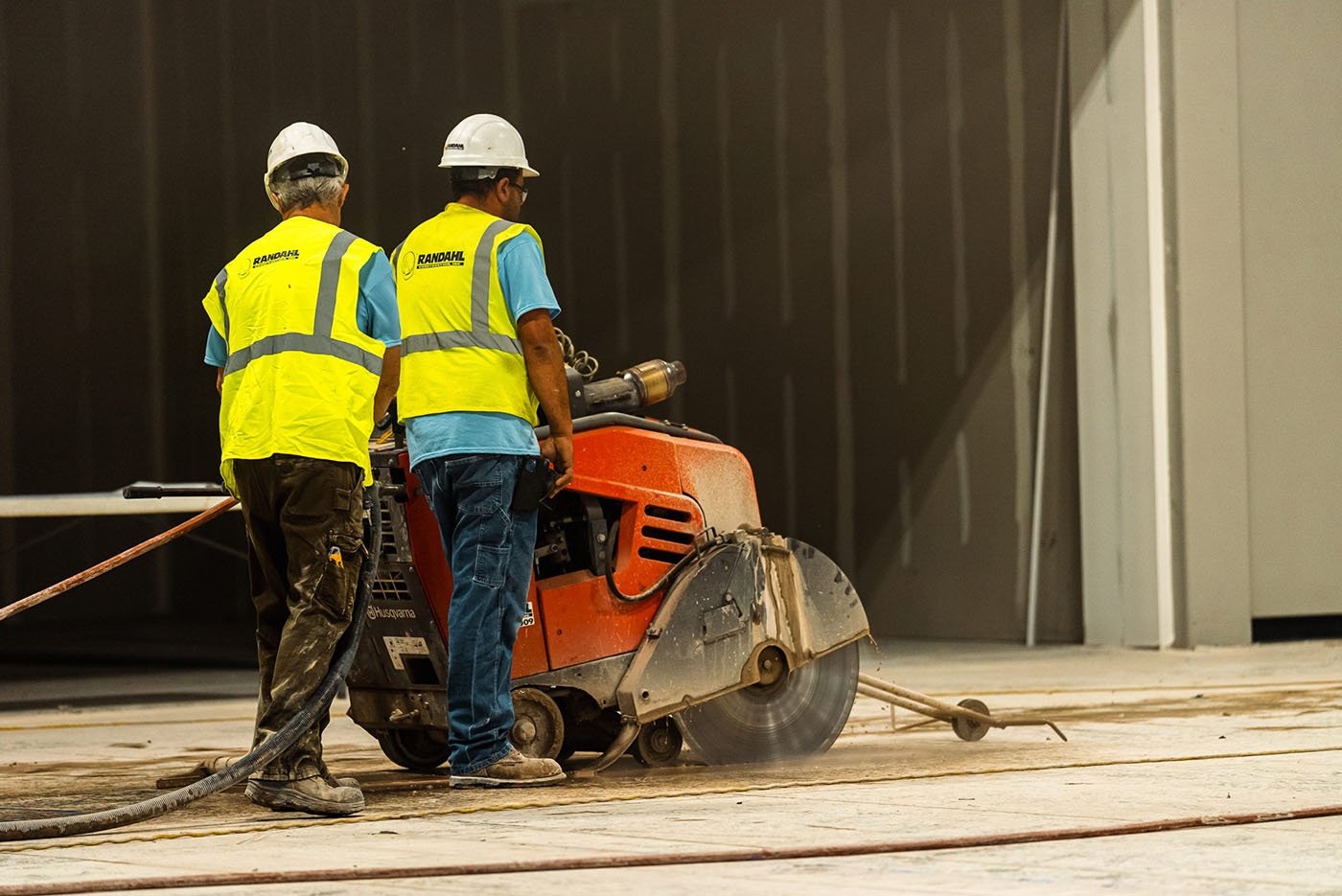
Commercial sites in Minneapolis rely on surfaces that do more than look finished. They need to handle constant traffic, heavy loads, and weather that shifts from intense freeze cycles to humid summer heat. Concrete plays a central role in that equation because it provides structure, stability, and long-term reliability when installed with careful planning.
TruSeal America is often associated with helping property owners think through these surface needs in a practical way, especially when durability and day-to-day performance matter just as much as appearance. Concrete work in commercial environments is less about quick installation and more about building something that holds up under pressure year after year.
Why Concrete Matters in Commercial Environments
Commercial properties deal with forces that residential surfaces rarely experience. Delivery trucks, service vehicles, and continuous foot traffic all create stress points that accumulate over time. Without a properly designed concrete system, those stresses show up quickly as cracking, shifting, or uneven settlement.
In Minneapolis, the weather adds another layer of difficulty. Freeze and thaw cycles cause materials to expand and contract repeatedly, which puts additional strain on slabs and joints. A well-constructed concrete surface helps manage that movement rather than resisting it blindly.
Within this environment, the role of a commercial concrete contractor in Minneapolis, MN, becomes essential. The focus is not only on pouring material but also on understanding how that material will behave once it is exposed to real-world conditions. TruSeal America works within this context by supporting commercial surface planning that emphasizes structure, drainage, and long-term resilience.
Planning and Structural Considerations
Every strong concrete installation begins below the surface. Subgrade preparation determines how evenly the weight is distributed and how well the slab resists shifting over time. If the base layer is unstable or uneven, even high-quality concrete will eventually show signs of stress.
Joint placement is another critical detail. Expansion and control joints allow concrete to move slightly without breaking apart. Without them, natural movement from temperature changes leads to uncontrolled cracking. Proper spacing and layout help guide that movement in a predictable way.
A commercial concrete contractor must also consider how water moves across a property. Poor drainage leads to pooling, which accelerates surface wear and increases the risk of freeze damage. Thoughtful grading ensures that water flows away from high-use areas and does not compromise structural integrity.
TruSeal America emphasizes this type of foundational thinking when working with commercial clients, focusing on performance factors that are not always visible once a project is complete.
Installation and Long-Term Performance
Concrete installation is a time-sensitive process. Once mixing begins, timing affects everything from workability to final strength. Proper finishing techniques also influence how resistant the surface will be to wear and moisture penetration.
Curing is often overlooked, but it plays one of the most important roles in long-term durability. Concrete that is allowed to cure correctly develops strength gradually, reducing the likelihood of early cracking or surface failure. Rushing this stage often shortens the lifespan of the entire installation.
Maintenance continues that performance cycle. Sealing surfaces, repairing small cracks early, and monitoring joint conditions all contribute to extending usable life. TruSeal America supports the idea that concrete performance is not a one-time outcome but an ongoing process shaped by both installation quality and upkeep.
Operational Efficiency and Site Function
Commercial properties depend on smooth traffic flow. Entry points, loading zones, and pedestrian paths all need to work together without creating congestion or safety risks. Concrete design plays a direct role in how efficiently these areas function.
Well-planned layouts reduce wear in high-traffic zones and help guide movement naturally across a property. This reduces the likelihood of damage caused by repeated turning, braking, or heavy loading in concentrated areas.
When working with a commercial concrete contractor in Minneapolis, MN, business owners often prioritize minimizing downtime. Careful scheduling and phased construction help keep operations running while improvements are made. TruSeal America supports this kind of planning approach, where project execution aligns with real-world business needs rather than disrupting them.
Building Surfaces That Hold Up Under Pressure
Strong commercial concrete work is never just about the pour itself. It is about understanding how every layer, joint, and finish contributes to long-term stability. Minneapolis conditions make that even more important, requiring surfaces designed with both strength and adaptability in mind.
TruSeal America continues to support commercial property owners who need dependable surface solutions that align with practical performance goals. When concrete is planned and installed with care, it becomes a long-term asset rather than a recurring problem, helping businesses stay focused on daily operations instead of ongoing repairs.